Texas, long a Republican stronghold, has flipped. In the November 3 midterm elections, Democrat Gina Hinojosa defeated the incumbent Republican governor, Greg Abbott. It is the first time in some 30 years that Democrats have won back the Texas governorship. In the U.S. Senate race, too, Democrat James Talarico won. Yet investors in Korea's Samsung Electronics and SK hynix are paying close attention to this political change in a single American state. Why?
The answer lies in artificial intelligence (AI). Texas is now a key region not only for American energy and semiconductors but also for AI data center investment. At a time when concerns about the profitability of AI investment have been shaking the Korean stock market, this election has added a new layer of uncertainty. But from the perspective of a lawyer in New York who works on international wealth management and investment structuring, there is a more important issue: how political change in the United States alters companies' actual investment conditions and the flow of capital.
Why Political Change in Texas Affects Korean Semiconductors
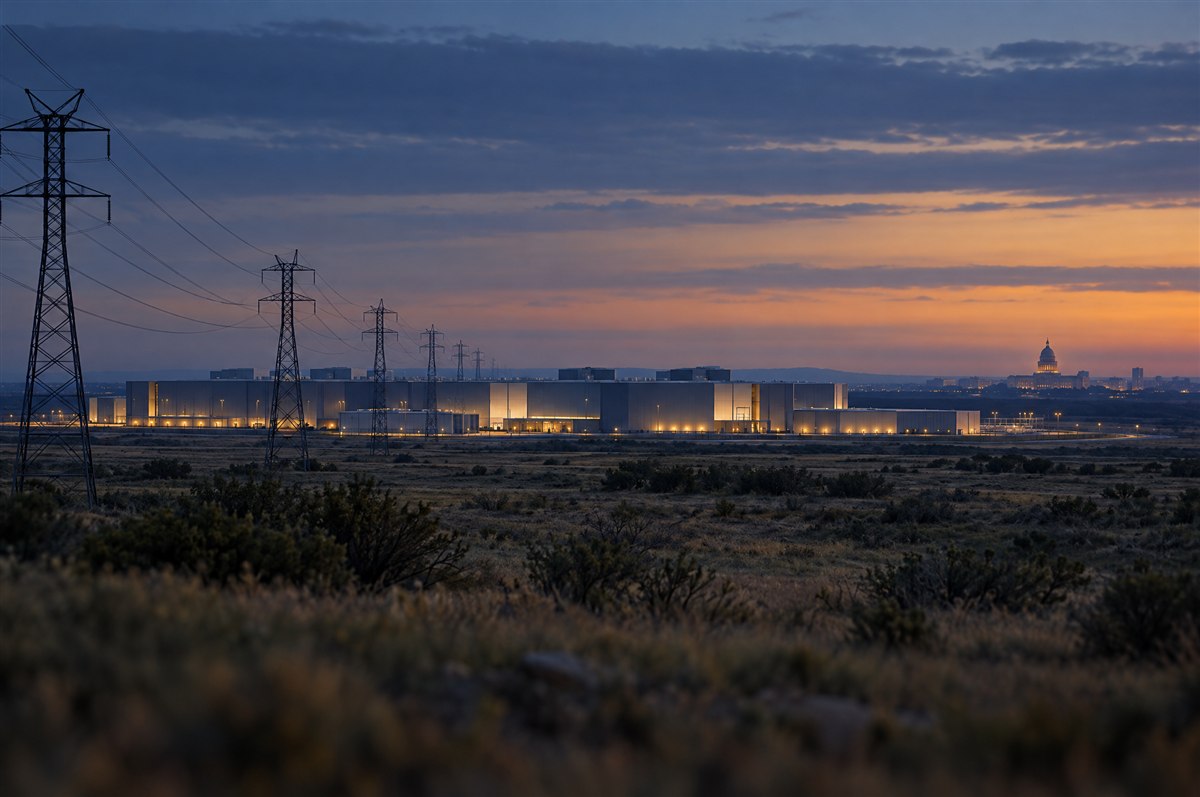
What deserves attention in this election is Governor-elect Hinojosa's data center policy. Hinojosa has called for a temporary halt to new data center construction and a review of tax incentives, on the grounds that AI data centers, which consume enormous amounts of electricity and water, add to the burden on local residents.
U.S. big tech companies are building data centers worth billions of dollars to get ahead in the AI race. Data centers need AI servers, and servers require high-performance semiconductors and memory. A slowdown in data center construction could therefore affect future demand for AI chips. That is why the share prices of Samsung Electronics and SK hynix react so sensitively to the outlook for American AI investment.
In fact, Korea's KOSPI plunged 3.59% on November 3. This drop, however, came before the U.S. election results were confirmed. Weakness in U.S. tech stocks and concerns about the profitability of AI investment were already being priced in. It therefore cannot be concluded that the Democratic victory in Texas directly caused the fall in Korean stocks. It is more accurate to see this election as a political variable added to existing anxieties.
Is Samsung's Texas Investment Really at Risk?
For Korean companies, Texas is not just another American state. Samsung Electronics operates a semiconductor production facility in Austin and is also pursuing large-scale investment in Taylor. The direct funding committed by the U.S. government under the CHIPS Act is about $4.7 billion, and the related investment plan exceeds $37 billion.
Does the arrival of a Democratic governor, then, put Samsung's investment at risk? Not necessarily. Building AI data centers and building semiconductor manufacturing facilities are different businesses. In addition, federal subsidies, state tax incentives and local permits each operate under different laws and contracts. A change of governor does not automatically erase existing investment agreements or federal funding commitments.
In the world of international investment, however, the mere possibility of regulation matters as much as whether regulation is actually enforced. If permits are delayed, power costs rise, or uncertainty arises around tax incentives, a company's investment returns and financing terms can change as well. That is why Korean companies investing in the United States need to watch the election results closely.
U.S. Investment Cannot Be Decided by Looking at the President Alone
In the 17 years since 2009 that I have worked in New York as a lawyer on international wealth management and investment structuring, there is one thing I have come to regard as important: U.S. investment decisions cannot be made by looking only at the president's policies. Even when the federal government encourages investment, a project's success or failure can turn on state taxes and regulations and on local permits. The United States may look like a single market, but it is really a market of 50 states in which different laws and systems operate.
These midterms could also become a new variable for the Trump administration's tariffs and industrial policy, since the growing influence of Democrats in Congress could strengthen oversight of and checks on those policies. Still, it cannot be assumed that a Democratic victory is automatically good for Korea. Expanding U.S. production of semiconductors and advanced technology and holding China in check technologically are policies that both parties have prioritized.
What Korean investors should watch is not so much which party won as how the actual investment environment changes. They need to look separately at whether U.S. data center construction plans are adjusted, whether power and permitting regulations are tightened, and whether the order and earnings outlook for Korean chipmakers changes.
Political change in the United States can now directly affect not only Korea's exports but also the value of Korean capital invested in America. This Texas election has shown that once again.
What changed in Texas is one governor, but what the market is watching is the trillions of dollars in AI investment that may move behind that change. What Korean investors really need to look at is not who won or lost the election, but where that money will flow next.