
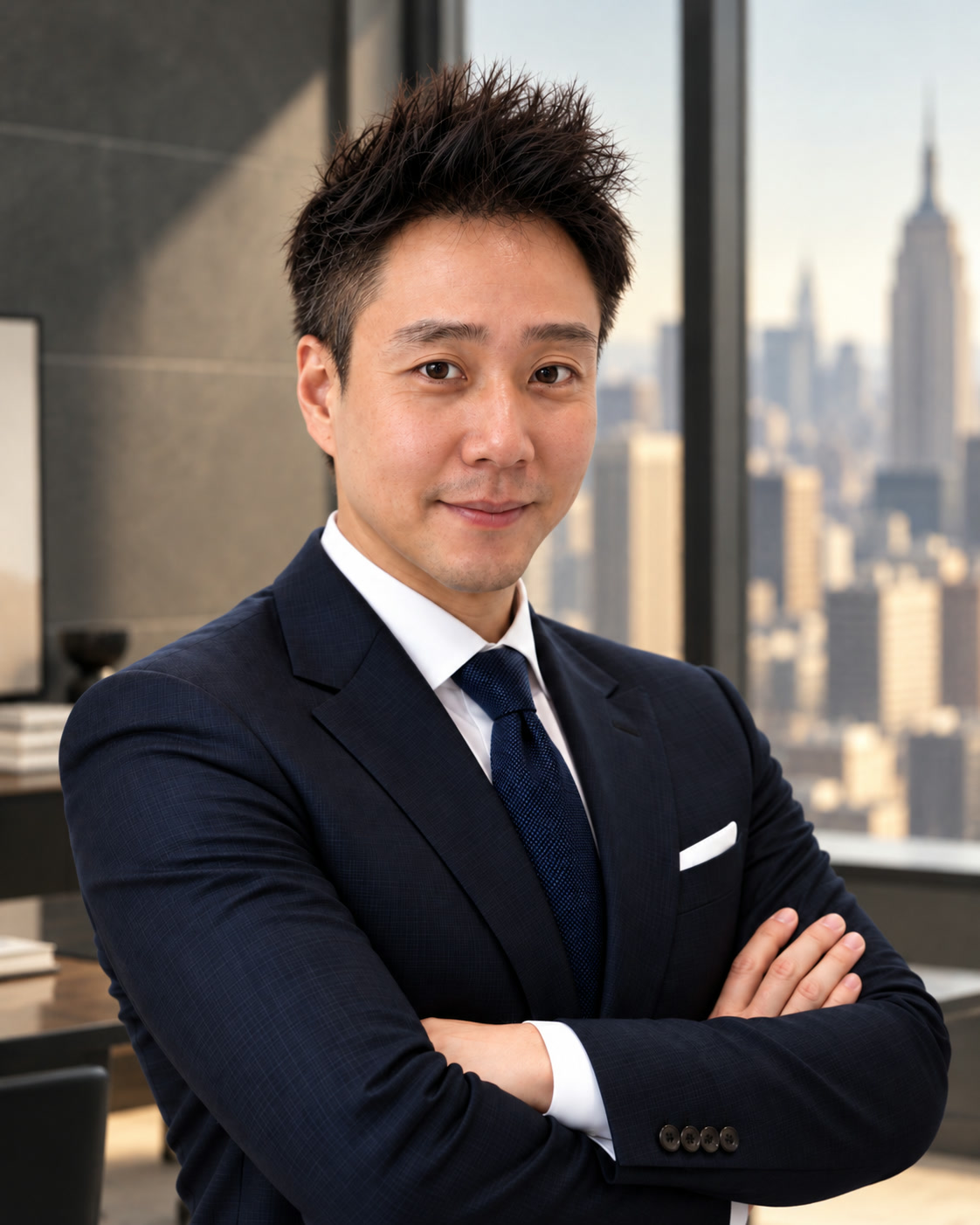
A feature in the August 2025 issue of Maekyung LUXMEN follows JunHwan Chang as he connects his work as a New York attorney, investor, and gallery director around one idea: culture as working economic infrastructure.
The story begins in 2019, when an acquaintance urged him to see Middletown, New York. Despite vacant storefronts and worn streets, he came away convinced the city could recover. He returned several times and began acquiring older downtown buildings, giving them new uses that he describes as restoring cultural context rather than simply renovating.
The article also looks back on his career: political science at Boston University, admission to the New York bar, time at a Washington, D.C. think tank, and the founding of a private wealth law firm advising on asset structuring, succession, and global investment. He now calls himself a designer of cultural infrastructure.
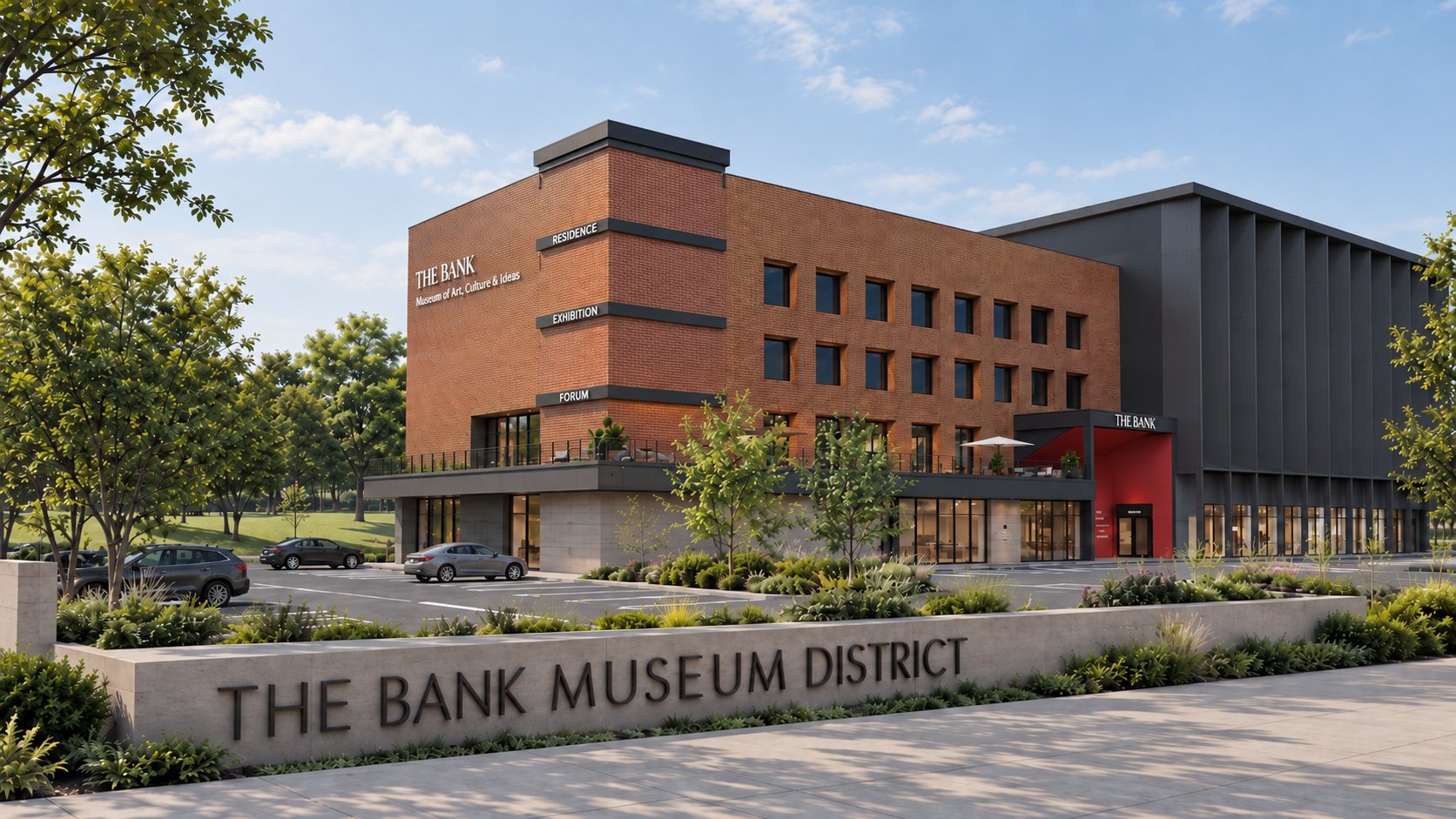
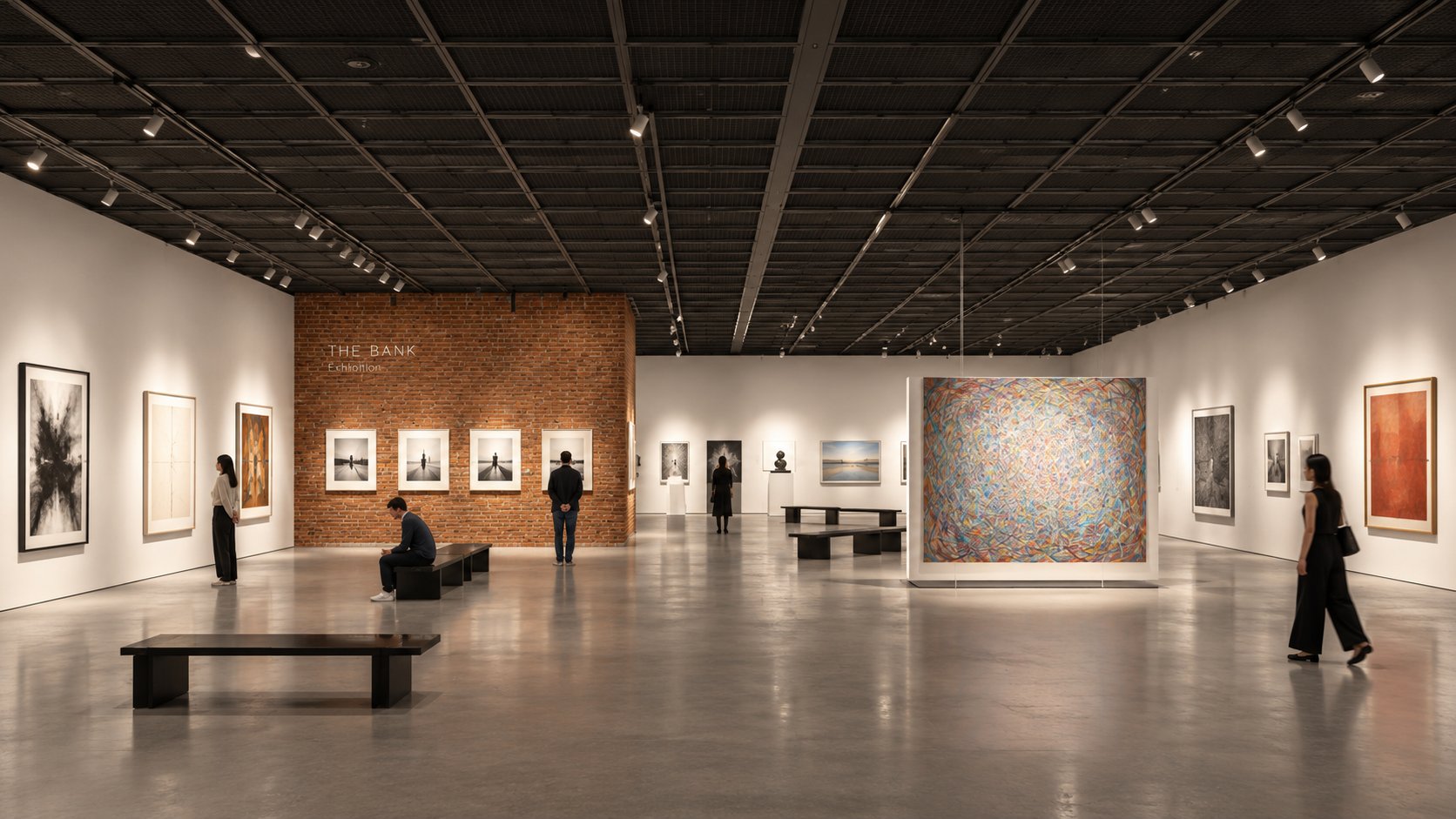
At the center of that work is The Bank, a former Chase Bank building of about 40,000 square feet in downtown Middletown, acquired in 2021 and planned as a live-work-play destination combining culture, art, dining, and housing. The stated goals include two million annual visitors, a rise of more than 20 percent in local spending, and more than $30 million in private investment.
The feature also covers Gallery Chang, with locations in New York, New Jersey, and Seoul, and plans for artist residencies once The Bank is complete. It closes on his hopes to adapt the model for regional cities in Korea and his intention to enter New York State politics to advance policy built around the cultural economy.